Hidden Histories of Quarry Hill
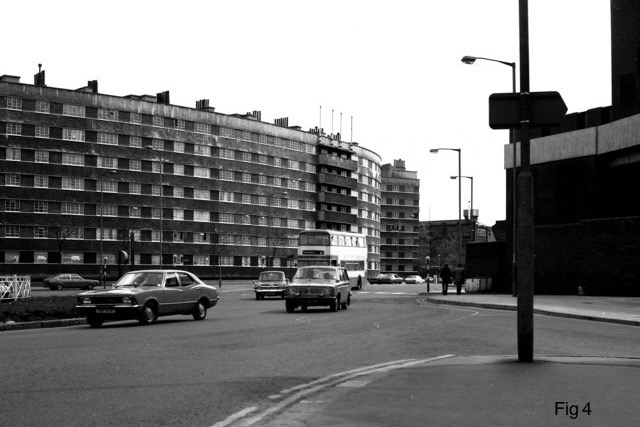
The systematic erasure of women's experiences from public archives and data infrastructures is not accidental - it is rooted in the historical and structural intertwining of patriarchy and capitalist ideologies (D'Ignazio and Klein, 2020).
E.P. Thompson's seminal work The Making of 「the British Working Class 」(1963) revolutionised class analysis by defining it as a “dynamic cultural process” but failed to explore women's roles adequately. Our analysis of the Quarry Hill construction archive reveals this omission: while male-dominated union activity and factory employment data are meticulously documented, female community-based reproductive labour - childcare, mutual aid networks, and housekeeping - is conspicuously absent (McDowell, 2013). This male-centred historiography systematically excludes the domestic and reproductive labour performed by women - labour that was, and still is, the basis of social survival (Federici, 2004).
In the case of Quarry Hill, archival material records the union clubhouse and factory outputs but omits the shared laundry, kitchen, and informal care networks that were largely run by women (Hayden, 2002). These spatial and institutional silences reflect what Di D'Ignazio and Klein (2020) call the 'data deficit': exclusion is constructed as part of the data.