Power, Absence,
and the Language of Displacement
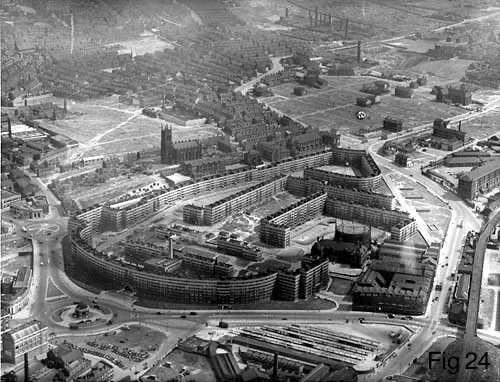
In the previous presentation seminar, Holly pointed out that we lack critical reflection on the history and consequences behind "reconstruction" and "relocation", so we began to re-examine the seemingly neutral statement such as "residents were relocated - for their own benefit". As D'Ignazio and Klein (2020) emphasized, policy language that sounds caring often conceals deep-seated power structures - because "what is interest" is never a neutral judgment.
We did not find specific information about the resettlement or compensation of residents during the construction period in our research. This "absence" itself raises questions: Did the residents participate in the relocation decision? Was it voluntary? Do they really understand the long-term consequences of this change? "For their own good" is likely to be just a self-justification in governance discourse, rather than a real concern centered on the well-being of the people.
Policy language and data narratives often jointly construct a "fictional reality" - it packages social inequality as progress and dilutes displacement, trauma and deprivation as necessary "improvements"(Dourish and Gómez Cruz,2018). Passive voices such as "They were moved out" further embody the narrative mode of "no subject, no conflict", erasing the resistance, pain and sense of rootlessness in the process of migration.
Koenen et al. (2021) further remind us that datafication and policy statements often consolidate the existing hierarchical structure in the name of "optimization" rather than challenging it. When we repeat narratives such as "relocation is to improve life", are we ignoring a more fundamental question: if it is really "for their own good", why has no one fought for them for even the most basic living security for decades?
We began to realize that Quarry Hill was once described as an area with "poor sanitation and urgent need for transformation", which is actually the product of long-term policy neglect. "Moving away" is not a kind of welfare distribution in the form of a gift, but a remedial intervention after the failure of governance. Packaging it as a "victory of public health" is tantamount to depoliticizing and detraumatizing structural problems.
As Fickers (2021) pointed out, digital expressions and policy language are often concealing, which downplays historical responsibilities and conceals the operation of power. In digital humanities projects, we must continue to ask: Who is silenced in the passive structure of language? What invisible histories are being obscured in the gaps in the narrative?