“Data is not neutral. It is selected, biased, and systemically manufactured.”—— D’Ignazio and Klein, Data Feminism
Litrature Review
This page presents the theoretical framework and academic inspiration behind our project. Through research such as feminist data criticism, intersectionality theory, and data fiction,to explore how women's absence from formal data collection has been produced and perpetuated over the centuries, from the Industrial Revolution to the algorithmic age.
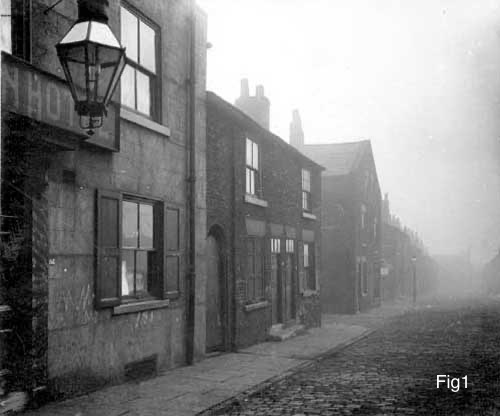
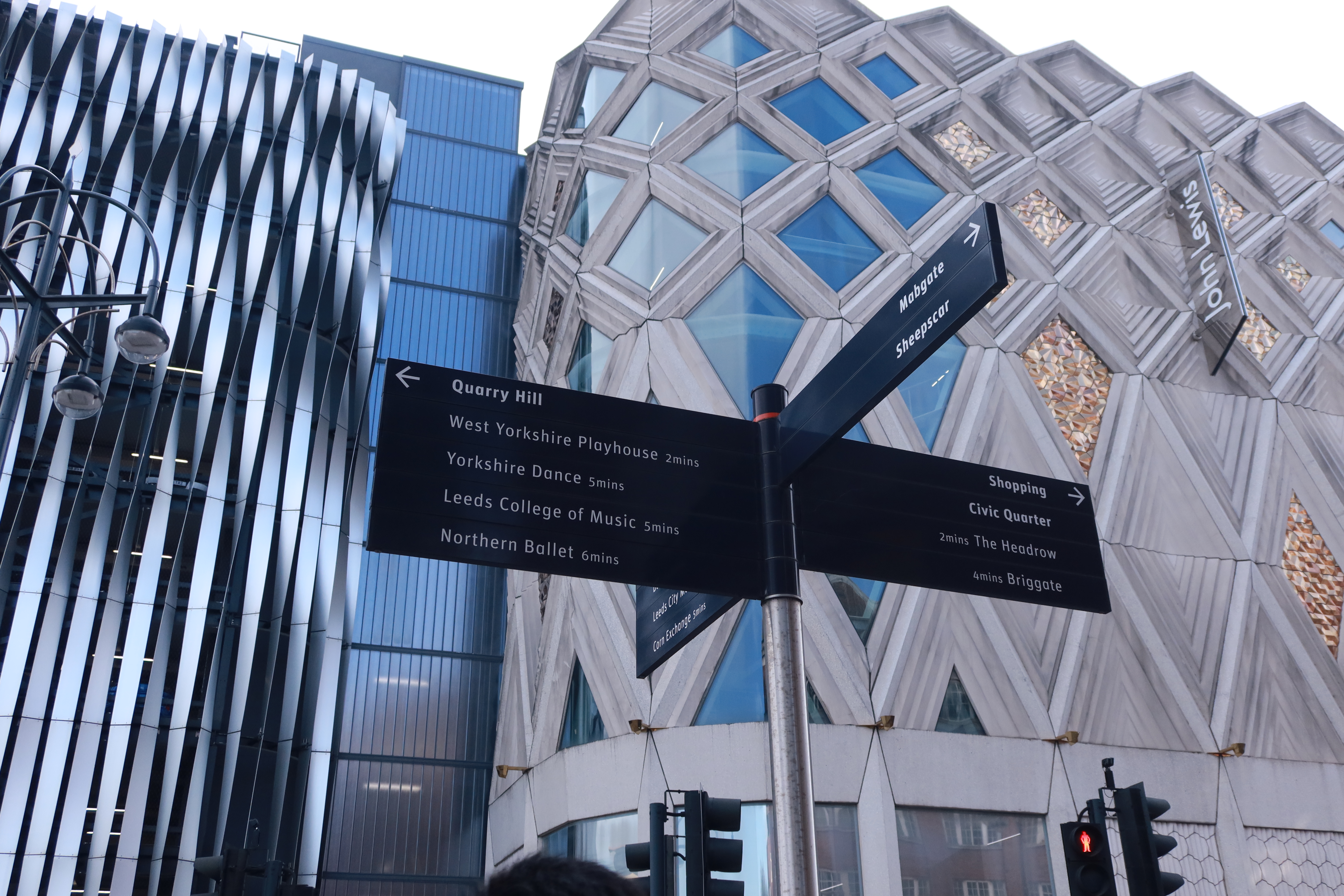
Hidden Histories of Quarry Hill
In Victorian Leeds city centre, Quarry Hill is crammed with rows of back-to-back houses. These slums were once considered “unhealthy areas” - rife with poverty, poor sanitation and unseen suffering. This film explores how 「the 1890 Working Class Housing Act & historical records of the Quarry Hill Unhealthy Area (1900)」 reveal a hidden story: the missing women in our data.
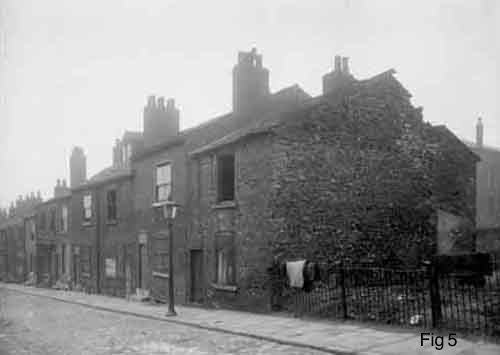
Intersectionality and the Archive
The disappearance of the female file constitutes symbolic violence through the control of information. As D'Ignazio and Klein (2020) point out in 「Data Feminisms」, data collection criteria inherently reflect political choices.
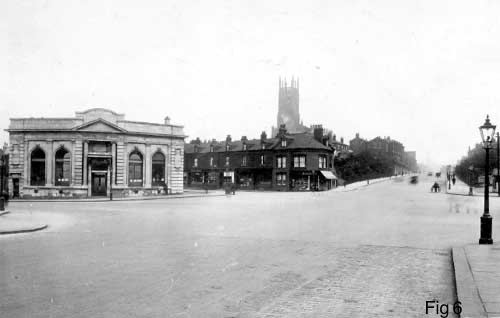
Reimagining Through Digital Fiction
Recent scholarship situates this exclusion within a system of digitisation and datafication. Dourish and Gómez Cruz (2018) suggest that data should not be viewed as a mere representation but as a fiction - a constructed, contextualised, and often speculative fiction.
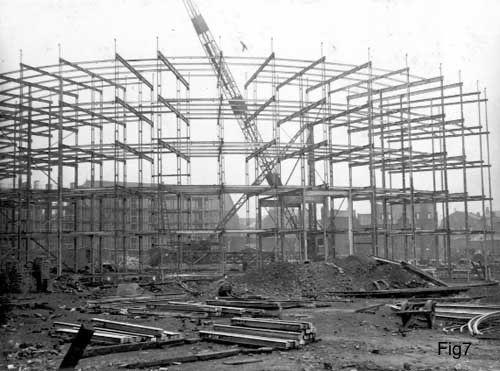
The Feminist Counter-Archive
The concept of the “counter-archive” emerges as a feminist strategy to resist normative data practices. Rather than filling in gaps with “objective” representations, counter-archives actively challenge the conditions that produced the gaps in the first place (Koenen et al., 2021). These archives are necessarily interdisciplinary, participatory, and speculative—they seek not just to recover the past but to reshape the systems through which history is written.
Conclusion
Grounded in these theoretical foundations, our project turns critical attention to the specific case of Quarry Hill in Leeds—not simply as a local historical moment but as a lens through which to examine the broader mechanisms of gendered exclusion in data systems. Through archival analysis, data visualisation, and speculative storytelling, we seek to illuminate how women's lives have been systematically unrecorded, undervalued, and rendered invisible in both historical and contemporary infrastructures of knowledge. Our goal is not merely to “add women back in” but to question the logics of visibility, the politics of counting, and the technologies of memory. By building a digital, feminist counter-archive, we attempt to transform absence into presence—not as historical recovery, but as a form of epistemological resistance.